What to Watch Out for When Trading During Economic Indicator Releases | Key Precautions for Beginners
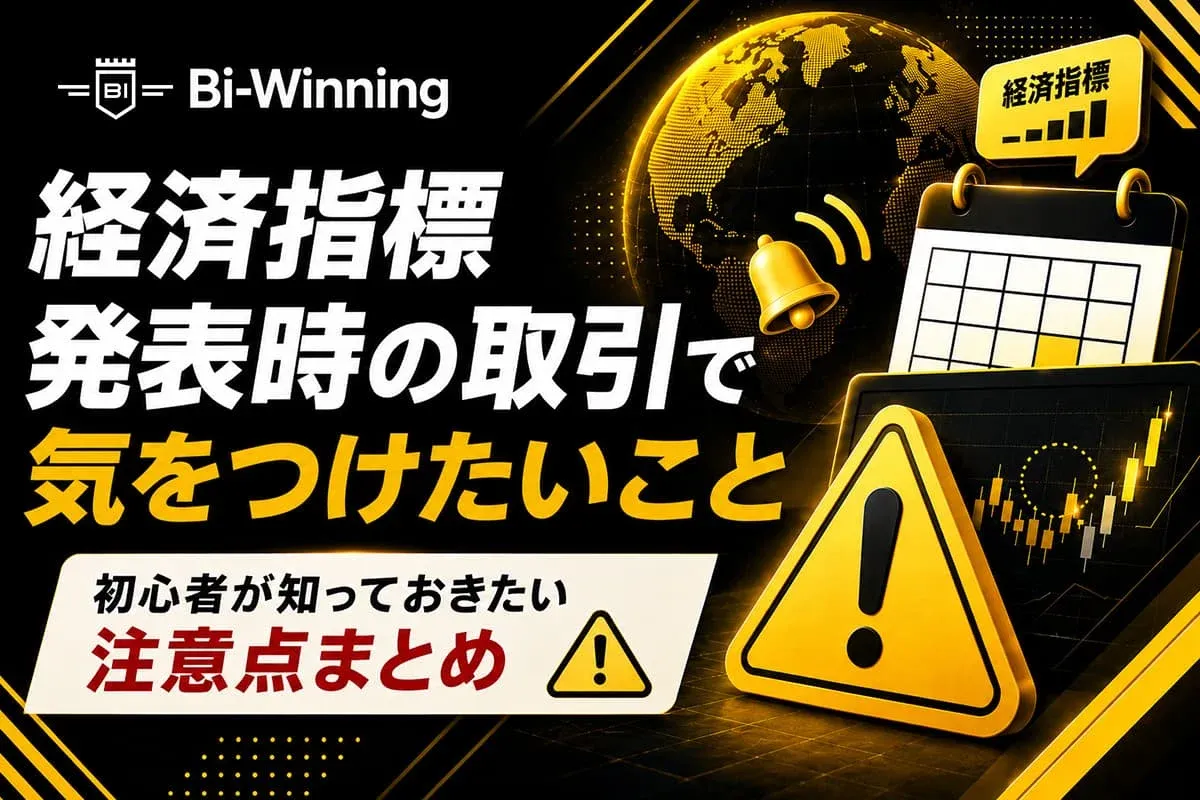
When economic indicators are released, the market can swing sharply, bringing risks you don't normally face, such as widening spreads and slippage. This article clearly explains what binary options beginners should watch out for when trading around indicator releases, along with concrete steps to reduce risk.
Try a free demo now
Experience the real trading environment without using real money
"I was just trading like normal when the rate suddenly spiked (or plunged), and I ended up with an unexpected result." Looking back, you realize an important economic indicator had just been released — this is a story many traders have experienced firsthand.
The moments around an indicator release can look like a chance to grab a big profit in an instant. But at the same time, there's a real risk of losing your funds just as fast. This article clearly explains the essential points to watch out for during economic indicator releases and the basic knowledge every beginner should know.
Why Do You Need to Be Cautious When Economic Indicators Are Released?
Economic indicators are data released by governments and central banks that quantify a country's economic and price conditions. Figures like employment statistics and policy interest rates are published regularly by category, and they're the single biggest trigger for major moves in the currency markets.
*For the specific meaning and characteristics of each indicator, see "Which Economic Indicators Should You Watch for Binary Options?" for a detailed explanation.
The reason you need to be on guard during indicator releases is simple: the bigger the gap between the market's prior forecast and the actual figure released, the more violently the market moves in a short time. When results come in far above (or below) expectations, it's not unusual for major currency pairs like USD/JPY to swing nearly a full yen in just a few minutes.
Sharp price movement means that while the payoff is bigger when your prediction is right, losses can also balloon in an instant when the market moves against you. In the minutes right after a release, the market tends to swing erratically, so the technical analysis you normally rely on (indicators and the like) stops working altogether.
That's exactly why it's so important to check the release schedule ahead of time and manage your risk by either avoiding trading during that window or bracing yourself thoroughly for it.
3 Risks That Commonly Occur During Economic Indicator Releases

Around the time of a release, several phenomena occur that rarely happen in normal trading. Let's look at the most common ones.
Widening Spreads (the Gap Between Bid and Ask Prices)
The spread is the gap between the bid and ask prices. It's usually narrow and stable, but it can widen sharply for a while when an economic indicator is released. This happens because the spread on the rates fed by the financial institutions that supply the currency quotes widens, pushing your trading costs higher than usual. The bigger the impact of the indicator — think employment statistics or the FOMC — the stronger this tendency becomes.
Slippage (the Gap Between Your Order Price and the Executed Price)
Slippage is when the rate you actually get executed at differs from the rate you ordered — for example, placing an order at 150.00 yen but having it filled at 150.05 yen. When the market moves sharply and liquidity (how easily trades get matched) drops, your order can end up filled at a worse price than you specified. The moments right after a release are exactly when this gap tends to grow largest.
Sharp Price Swings and Rate Gaps
When an unexpected number comes out, the market can swing wildly and unpredictably. It might surge sharply in one direction only to reverse just as quickly. In some cases, the rate doesn't move continuously at all — it can suddenly "gap" to a price far removed from where it was, which makes forecasting in advance extremely difficult.
Precautions Unique to Binary Options
Binary options are trades where you predict whether the price will go "up" or "down" after a set period of time. Because results come in so quickly, there are precautions specific to trading around economic indicator releases.
The thing to watch out for most is when the expiry time (the moment your trade result is determined) overlaps with an indicator release. Major U.S. indicators tend to be released in the evening Japan time, so if a big price move happens right before your expiry, a prediction that was winning until then can flip in an instant. If you know the release time, choose an expiry that doesn't fall on top of it — that's the key precaution to take around economic indicator releases.
One more thing: in the minutes right after a release, technical analysis tends not to work well, making short-term direction calls close to a coin flip. Since it's the news itself, not the shape of the chart, that's driving the market in that window, choosing not to force a trade at that exact moment is a perfectly valid strategy too.
Key Economic Indicator Release Times to Know (Japan Time)
Just knowing the release times helps you see when you should be on guard. The table below is a rough guide, converted to Japan time, based on the typical release practices of the U.S. Bureau of Labor Statistics (BLS) and the Federal Reserve (Fed). The U.S. observes daylight saving time, and in 2026 daylight saving time runs from March 8 to November 1. Keep in mind that release times can shift by an hour depending on the period.
Indicator | Daylight Saving Time (JST) | Standard Time (JST) | Typical Release Timing |
|---|---|---|---|
U.S. Employment Statistics (NFP / Unemployment Rate) | 21:30 | 22:30 | Generally the 1st Friday of each month |
U.S. CPI (Consumer Price Index) | 21:30 | 22:30 | Mid-month of the month following the reporting month |
FOMC (Policy Rate / Statement) | 3:00 (next day) | 4:00 (next day) | 8 times a year |
U.S. GDP | 21:30 | 22:30 | Quarterly |
ISM Manufacturing Index | 23:00 | 0:00 (next day) | 1st business day of each month |
U.S. Retail Sales | 21:30 | 22:30 | Mid-month |
Release dates can shift due to government scheduling or holidays. Before you actually trade, be sure to check the latest schedule on an economic indicator calendar such as Minkabu or GMO Gaika.
Concrete Steps to Reduce Your Risk
The risks around economic indicator releases can be reduced considerably with the right preparation. Here are the points beginners should put into practice first.
- Check the economic indicator calendar in advance: make it a habit to check before trading whether there's an important release today or this week. Comparing several calendars side by side gives you extra peace of mind.
- Avoid entering right before a release: the basic rule is to pause your trading right before and right after a release, when the market tends to get choppy.
- Trade only once the market has settled down: waiting about 15 to 30 minutes after the release, until a clear direction and trend emerge, makes forecasting much easier.
- Practice thorough money management: the bigger the price swings, the more important it is to keep each trade amount small and trade in a planned way, within funds you can afford to lose.
- Don't let the release time and expiry time overlap: with binary options, choosing an expiry that doesn't land on the release time makes it easier to avoid the risk of a sudden move.
Until you're used to it, simply deciding not to force a trade on days with major indicator releases is also a form of risk management.
Summary
Economic indicator releases are a chance for the market to make big moves, but they're also moments when unusual risks — widening spreads, slippage, and sharp price swings — come to the surface. With binary options in particular, pay close attention to whether your expiry time overlaps with the release time.
What matters most is knowing the release schedule ahead of time and having the option to avoid trading during the choppy periods. Just making a habit of these three things — checking the economic indicator calendar, not trading right before a release, and practicing thorough money management — goes a long way toward helping you avoid losses. When trading on Bi-Winning too, start by learning the release times and bracing yourself accordingly.
Experience the Bi-Winning trading platform risk-free
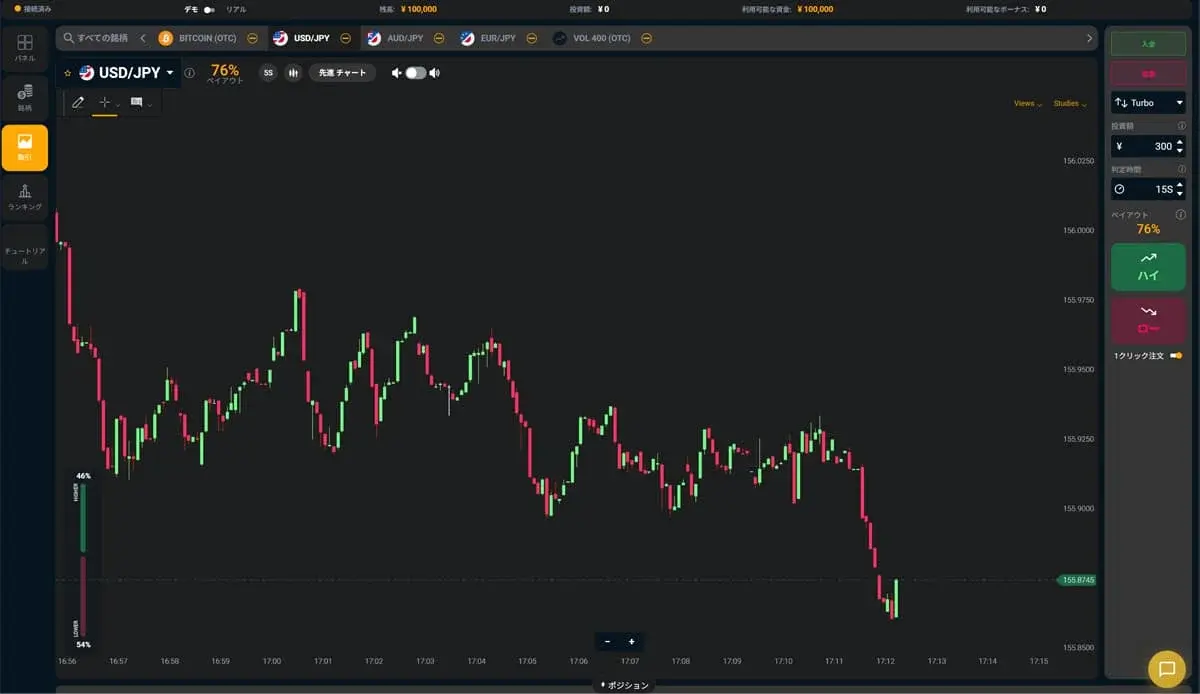
Try the Bi-Winning trading platform for free right now. No registration required to try High/Low trading. Your demo account comes with 100,000 JPY in virtual funds.
Try a free demo now
Experience the real trading environment without using real money
Company Information
Providing a safe, secure, and comfortable trading environment for all investors.
| Company | Alpha Options LLC |
| Location | Euro House, Richmond Hill Road, Kingstown, St. Vincent and the Grenadines |
| Support Hours | 10:00 – 17:00 (JST)Excluding weekends, holidays, and year-end closures |
| Business Succession | Succeeded from BET GLOBAL MARKET INC. on February 7, 2025 |
| Contact | Contact Us |
| Official Twitter | https://x.com/BIWINNING1 |
関連記事
Bi-Winningのサインツール設定方法:MT5への設置手順を画像つきで解説
Bi-Winningのサインツール設定方法を、提携先EdgeGraph FXの口座開設からMT5への設置・表示まで画像つきで解説。IndicatorsフォルダへのファイルのいれかたやM1の設定、表示されないときの対処まで初心者の方向けにまとめました。

How to Deposit via PoiTouch on Bi-Winning: From DEPOT Purchase to Confirmation
We explain how to complete a PoiTouch deposit on Bi-Winning in an easy-to-follow, two-stage process starting with a DEPOT purchase — 11 steps in total. This beginner-friendly guide covers the essentials (a 5,000-yen minimum and instant crediting), things to watch out for when buying multiple DEPOTs or if your deposit isn't reflected, and a comparison with other deposit methods.

What Economic Indicators Matter in Binary Options? A Beginner's Guide to Key Indicators and Release Schedules
A beginner-friendly guide to the economic indicators that move the market in binary options trading. We cover the meaning, release times, and market impact of key indicators like the US Employment Report, FOMC, CPI, and GDP, plus how to put them to use on Bi-Winning.